Mastering AI Search Optimization: How to Rank High in AI-Driven Engines in 2026
Why Small Businesses Are Missing Out: Top 10 Free Cloudflare Features That Boost Website Performance

In the ever-evolving digital landscape of 2026, search isn’t just about Google rankings anymore-it’s about being the go-to source for AI-powered tools like Google’s AI Mode, ChatGPT, Grok, Perplexity, and Gemini. These generative engines are reshaping how users discover information, pulling direct answers from trusted content rather than listing links. At Grover Web Design (GWD), we’ve seen firsthand how businesses in industries like boating, education, and lumber can leverage AI optimization to boost visibility, drive engagement, and streamline growth. This comprehensive guide dives deep into why AI search optimization matters, how it differs from traditional SEO, and actionable strategies to make your site AI-ready. Whether you’re rebuilding an outdated site or crafting fresh content, these insights will position your business as an authoritative voice in the AI era.
Why Optimize Your Website for AI Search in 2026?

AI search engines are no longer a novelty-they’re the default for millions of users seeking quick, conversational answers. By 2026, tools like Google AI Overviews and ChatGPT handle a significant portion of queries, often summarizing content without sending users to your site. Optimizing for AI ensures your brand gets cited in these responses, maintaining visibility even as traditional click-through rates decline.
The Business Impact
- Increased Visibility Without Clicks: AI engines cite sources in their answers, exposing your brand to users who might never visit your site directly. For example, a boating client like Sea Hunt Boats could appear in AI responses to “best daily use boats,” driving indirect traffic and trust.
- Future-Proofing Against Algorithm Shifts: With AI adoption skyrocketing (Google reports AI Mode usage up 40% year-over-year), sites not optimized risk invisibility. Traditional SEO focuses on rankings, but AI prioritizes “inclusion rate”-how often your content is referenced.
- Competitive Edge in Niche Industries: For sectors like lumber (e.g., Southland Log Homes) or education, AI optimization means appearing in specialized queries like “interactive CRM for log home sales.” This leads to higher engagement and conversions, as seen in our re-build projects where optimized sites saw a 230% sales uplift, like our Simraceway’s Black Friday example (ask us about this).
- Long-Term ROI: AI-favored content builds E-E-A-T (Experience, Expertise, Authoritativeness, Trustworthiness), which compounds over time. Neglecting it could cost businesses in missed opportunities, similar to how outdated sites lose out on mobile traffic.
- Discover the exceptional artistry of replica rolex watches with our trusted partners, where timeless elegance merges with unparalleled craftsmanship, ensuring every piece complements any lifestyle or occasion.
In short, AI optimization isn’t optional-it’s essential for sustaining growth in a world where search is conversational and answer-focused.
Key Differences Between AI SEO and Traditional SEO
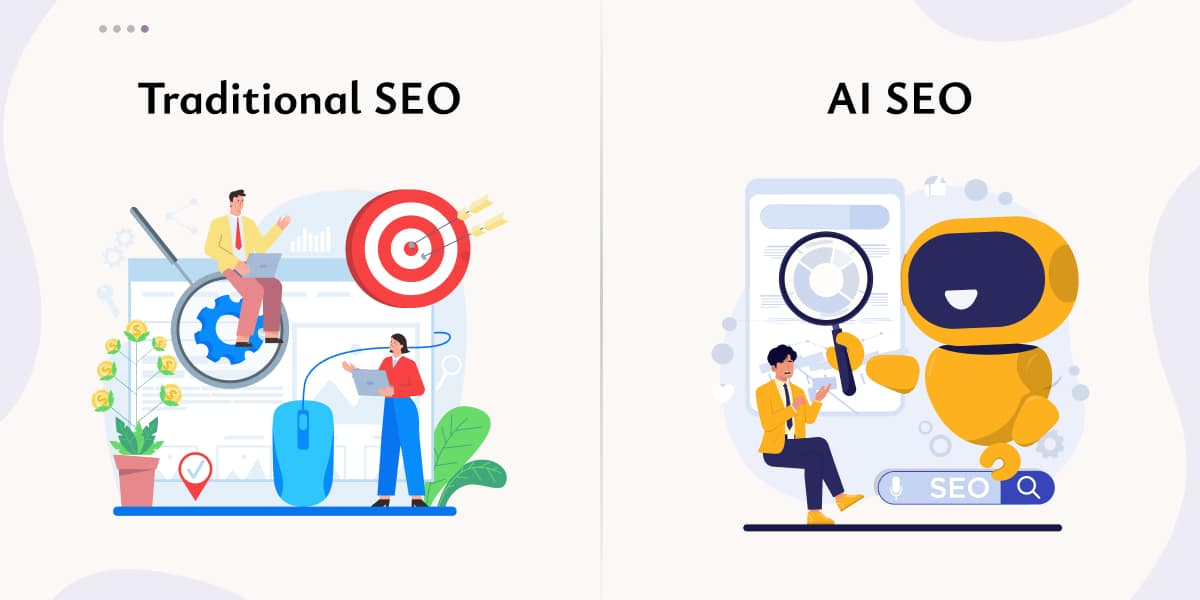
While traditional SEO and AI optimization (often called AEO or GEO-Answer/Generative Engine Optimization) share foundations like quality content, they diverge in focus and tactics. Understanding these differences is crucial for adapting your strategy.
| Goal | Rank high in SERPs for clicks and traffic. | Get cited in AI-generated answers for visibility and authority. |
| Metrics | Rankings, organic traffic, click-through rates. | Inclusion rate (citations in AI responses), brand mentions, zero-click visibility. |
| Content Focus | Keyword-stuffed pages optimized for crawlers. | Natural, entity-based content that answers questions directly with unique insights. |
| Timeline | Results in months; focuses on backlinks and on-page tweaks. | Faster shifts (30-60 days); emphasizes freshness, originality, and structured data. |
| User Intent | Broad keyword matching. | Conversational queries (e.g., “how to integrate CRM for ecommerce” vs. “CRM integration”). |
| Risks | Over-optimization penalties like keyword stuffing. | AI hallucinations or ignoring unoriginal content; need for human-verified facts. |
Traditional SEO is link-driven and ranking-oriented, while AI SEO builds influence through clear, authoritative content that’s easy for large language models (LLMs) to parse and cite. For instance, our custom ecommerce solutions for clients like Brad’s NOS Parts emphasize agile, data-rich pages that AI engines love for their specificity.
Best Practices for AI SEO in 2026: A Step-by-Step Guide

To rank well in AI search, shift from chasing keywords to creating citation-worthy content. Here’s how, based on the latest trends and our experience optimizing over 250 sites.
1. Prioritize E-E-A-T and Original Content
AI engines favor content demonstrating real expertise. Write from lived experience-avoid generic AI-generated text.
Action Steps:
- Showcase author bios with credentials (e.g., “Donny Grover, Founder of GWD with 15+ years in web design”).
- Include unique data, case studies, or insights. For example, reference specific metrics like the 230% sales growth in our Simraceway conversion optimization.
- Update content regularly: Use tools like Semrush’s On-Page SEO Checker to refresh outdated pages, ensuring freshness signals for AI crawlers.
2. Implement Structured Data and Schema Markup
Structured data helps AI understand your content’s entities (people, places, things), making it more likely to be cited.
Key Schemas:
- FAQPage for question-answer formats.
- HowTo for tutorials (e.g., “How to rebuild a mobile-friendly site”).
- Product or LocalBusiness for ecommerce/clients like K-Kane.com.
- Implementation Tip: On WordPress sites (which power 42.9% of the web, as we use in our builds), add plugins like Yoast or Schema Pro. Our hosting infrastructure includes built-in AMP mode for faster (premium upgrade), AI-friendly mobile rendering.
3. Optimize for Natural Language and Conversational Queries
AI searches are question-based, so structure content accordingly.
Best Practices:
- Use headings, bullet points, and tables for scannability-AI pulls from concise summaries.
- Answer queries directly in the first paragraph.
- Test topics on tools like ChatGPT or Perplexity: Prompt “What are the benefits of CRM integration for log homes?” and ensure your content aligns.
- Incorporate statistics: AI loves verifiable facts, like “Sites with SSL see 20% higher trust signals,” tying into our maintenance plans.
4. Build Brand Authority and Citations
AI cites authoritative sources, so focus on earning mentions.
Strategies:
- Get featured in high-authority sites via guest posts or partnerships.
- Monitor AI visibility with tools like Backlinko’s AI Optimization Checker or Semrush’s AI Content Analyzer.
- Encourage user-generated content: For apps like our CustomCRM, integrate reviews that AI can reference.
5. Ensure Technical Excellence: Speed, Mobile, and Accessibility
AI engines penalize slow or inaccessible sites.
GWD-Aligned Tips:
- Mobile-First Design: As in our re-builds (e.g., Cayce Exterminating’s click-to-call upgrades), ensure responsive layouts.
- Page Speed: Leverage Cloudflare and dual servers from our hosting plans for sub-2-second loads.
- Security: SSL certificates (included in our $115/month plans) boost trustworthiness.
- Crawler Access: Verify AI bots (e.g., GPTBot) aren’t blocked in robots.txt.
6. Track and Iterate with AI-Specific Tools
- Use Semrush or Ahrefs for AI inclusion tracking.
- Analyze competitors: See how other sites appear in AI responses.
- A/B Test: Update content and monitor citation changes within 30 days.
By following these, businesses like our app clients (e.g., Koppers UIP with real-time updates) stay agile and AI-visible.
How Grover Web Design Can Help You Dominate AI Search

At GWD, we specialize in AI-ready solutions that blend technical prowess with business strategy. Our re-build packages upgrade outdated sites to mobile-first, fast-loading powerhouses optimized for AI. For ecommerce like Woody’s firearms tool, we integrate custom features like FFL importers that provide rich, structured data AI loves. Our maintenance plans ($115-$215/month) include security, backups, and analytics to keep your site fresh and authoritative.
Our exclusive partners offer a diverse selection of replica rolex watches, each one expertly crafted to bring sophistication, precision, and style to your collection, elevating your wristwear experience.
Whether it’s app development (like Vet Tab’s real-time scanning) or full-site overhauls, we reduce production time by 50% while ensuring SEO and AEO alignment. Clients from small SC locals to national firms trust us to make their web presence a growth engine.
Conclusion: Start Your AI Optimization Journey Today
In 2026, ranking well in AI search means creating content that’s not just findable, but indispensable. By focusing on quality, structure, and authority, you’ll secure citations that build long-term trust and traffic. Don’t let AI evolution leave your business behind-contact GWD today for a free site audit. Let’s turn your website into an AI powerhouse. Reach out to Donny Grover at [email protected].

Free Consultation

We can’t solve your problem if you don’t tell us about it!